
Inside a Day at Piccoli
You know that feeling when you walk away from your child for the first time. Or the tenth time. That quiet hope that today will be good, that they will feel safe, that they will smile, and that someone will notice the small things only you see.
What you want is to leave your child in the hands of someone who will get down on their level and take time to fully understand them. Someone who sees more than a room to supervise. Someone who sees them exactly the way you do.
At Piccoli, that feeling is the reason we exist. We are here to reimagine early childhood education by creating a Reggio Emilia–inspired learning community where children, families, and educators can all flourish together. Every routine in our day is shaped by that purpose.
So what does that actually look like, hour by hour. Let us walk you through it.
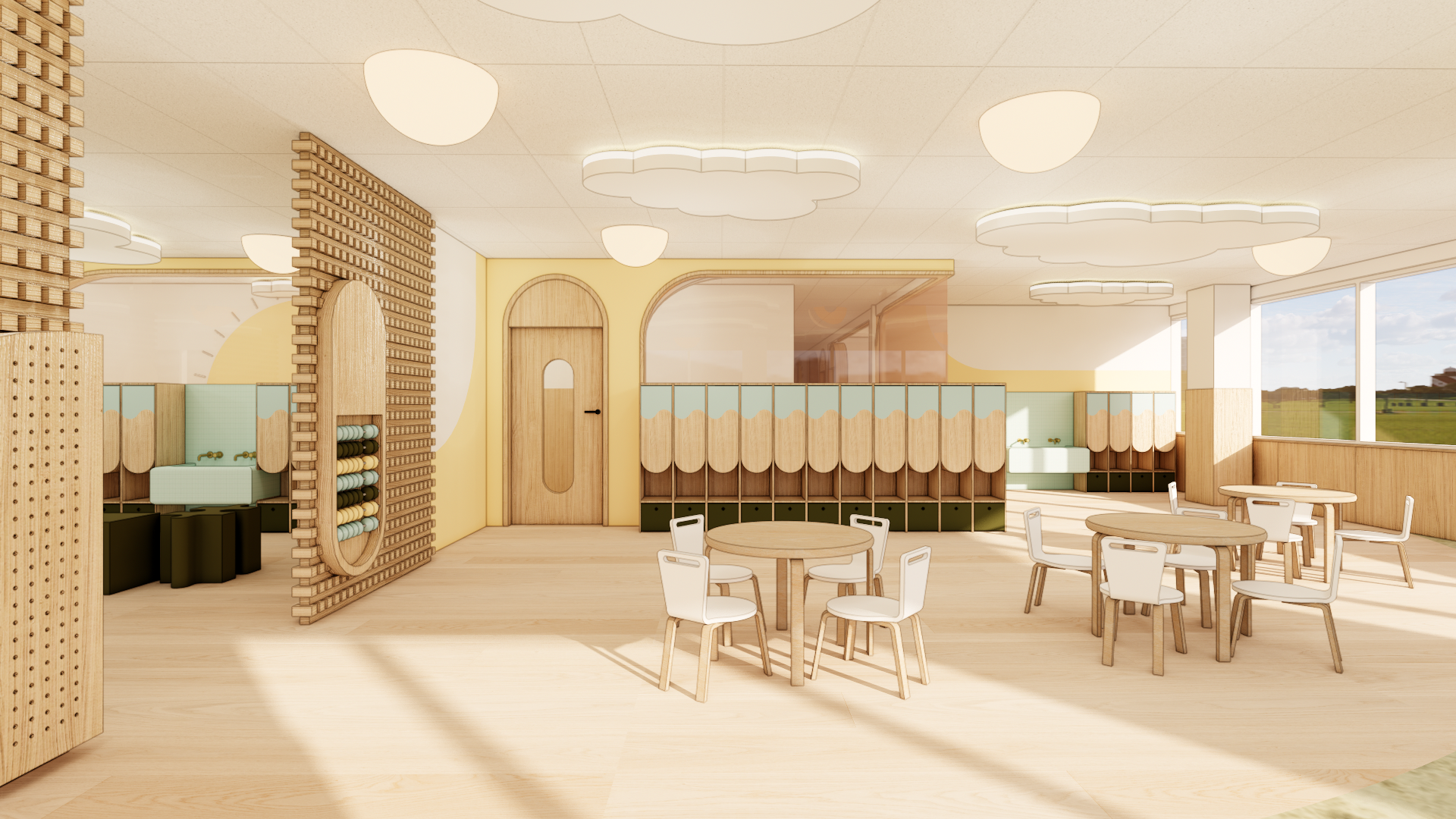
Morning arrival
The centre opens at 7:00 a.m. Families arrive over the next couple of hours, sometimes with a sleepy baby in a carrier, sometimes with a preschooler already telling a story about last night’s dinner.
Parents are invited right into the classroom, not left at the door. This is the time to mention a rough night, a new nap schedule, or a big feeling your child is working through. Educators listen and take note, because those small details shape how they support your child that day.
Some children walk in, put their things away, and head straight for the block area. Others pause, hold on a little tighter to their grown-up, and need extra time. In those moments, educators move slowly and gently. They might sit together on the rug, suggest visiting a favourite friend, or invite the child to start at a familiar spot like the book corner. The goal is to build trust, not rush separation.
A calm, prepared classroom
The room is calm and thoughtfully prepared. Tables are set with “invitations” rather than random toys. You might see:
Leaves, rocks, sticks, and small wooden ladybugs on a tray
Clay and natural tools ready for little hands
A small basket of new books in a cozy corner
These materials are provocations, designed to spark curiosity and give children something interesting to step into as they arrive.
Once most children are in, the class gathers for a short morning assembly. This might be a song with toddlers or a simple check-in with preschoolers about how they are feeling and what they are excited to do. It creates a sense of community and signals that the day has officially begun.
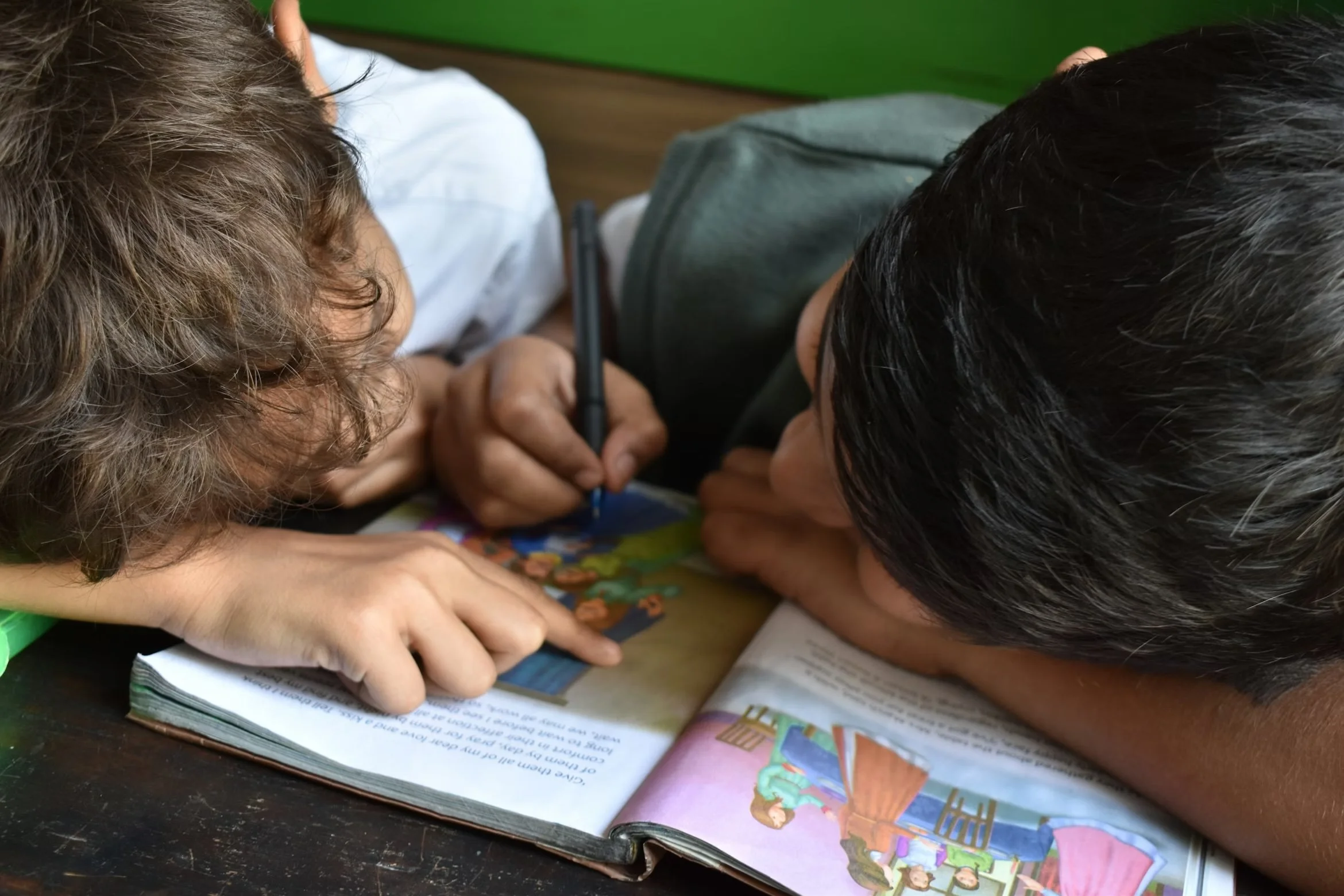
Morning play
After assembly, the real work of the day starts: play, investigation, and long, unhurried stretches of exploration.
Children move toward what interests them. Educators watch, listen, and notice patterns. Maybe a small group starts talking about ladybugs they saw outside. The next day, the teachers have prepared a table with magnifying glasses, photos of insects, leaves, and tiny loose parts for building “bug homes.”
At first, only two children might come over. Soon, others join in. Someone starts sorting by colour, another lines objects in a trail, another begins to tell a story about where the ladybugs live. Over several days, this can grow into a project with drawing, storytelling, counting, and even outdoor observation.
Educators document what is happening, taking photos, writing down children’s words, and saving bits of their work. This documentation becomes a visible record on the walls and in portfolios, helping families see how much thinking and growth is happening during “play.”
Outdoor exploration
Every morning also includes outdoor time in our private outdoor area. Children climb, run, dig, and explore, then slow down to check what is growing in the greenhouse or look closely at natural materials they bring back inside.
The environment is treated as a “third teacher,” so the outdoor space is thoughtfully used for learning. Children build strength, practice problem-solving, and grow their connection to nature while they play outside.
Community lunch
By midday, it is time for community lunch. This part of the day looks and feels different than a quick, quiet meal in traditional daycare.
Children help set the table with real plates and cups. They learn where things go and take turns with the job. Not everyone sets the table every day, and that is intentional. Waiting, sharing, and allowing others to have a turn are all part of the learning.
Once seated, children open their lunch kits or enjoy centre-provided meals, depending on the family’s choice. Lunch is not a silent break between activities. Educators sit with the children and talk with them about their day, their food, and what they are curious about.
You might hear:
“I tried this for the first time at Grandma’s.”
“Tomorrow I want carrots again.”
“My rice looks like little snow.”
Through these simple conversations, children practice language, social skills, and confidence in expressing their preferences.
When lunch is done, children help clean up. They learn to put containers back in their lunch kit, throw garbage in the bin, and place recycling in the right spot. Teachers explain that this helps keep things tidy for families at home and makes the space welcoming for the next person who will use the table. It is about respect, responsibility, and thinking one step ahead.

Midday reset
After lunch, the day slows.
Infants and many toddlers settle in for nap time in a calm, dim environment. Educators follow each child’s individual sleep routines as much as possible, based on conversations with families.
Preschoolers are offered rest time as well. Some will nap, others will simply relax with a book, quiet drawing, or soft music. Children who do not sleep are not forced to lie awake for long stretches. Instead, they are supported with quiet choices that match the energy of the room.
This gentle approach respects that every child’s body is different. It also supports sensory needs by offering calm spaces, softer lighting, and a slower pace in the middle of the day.
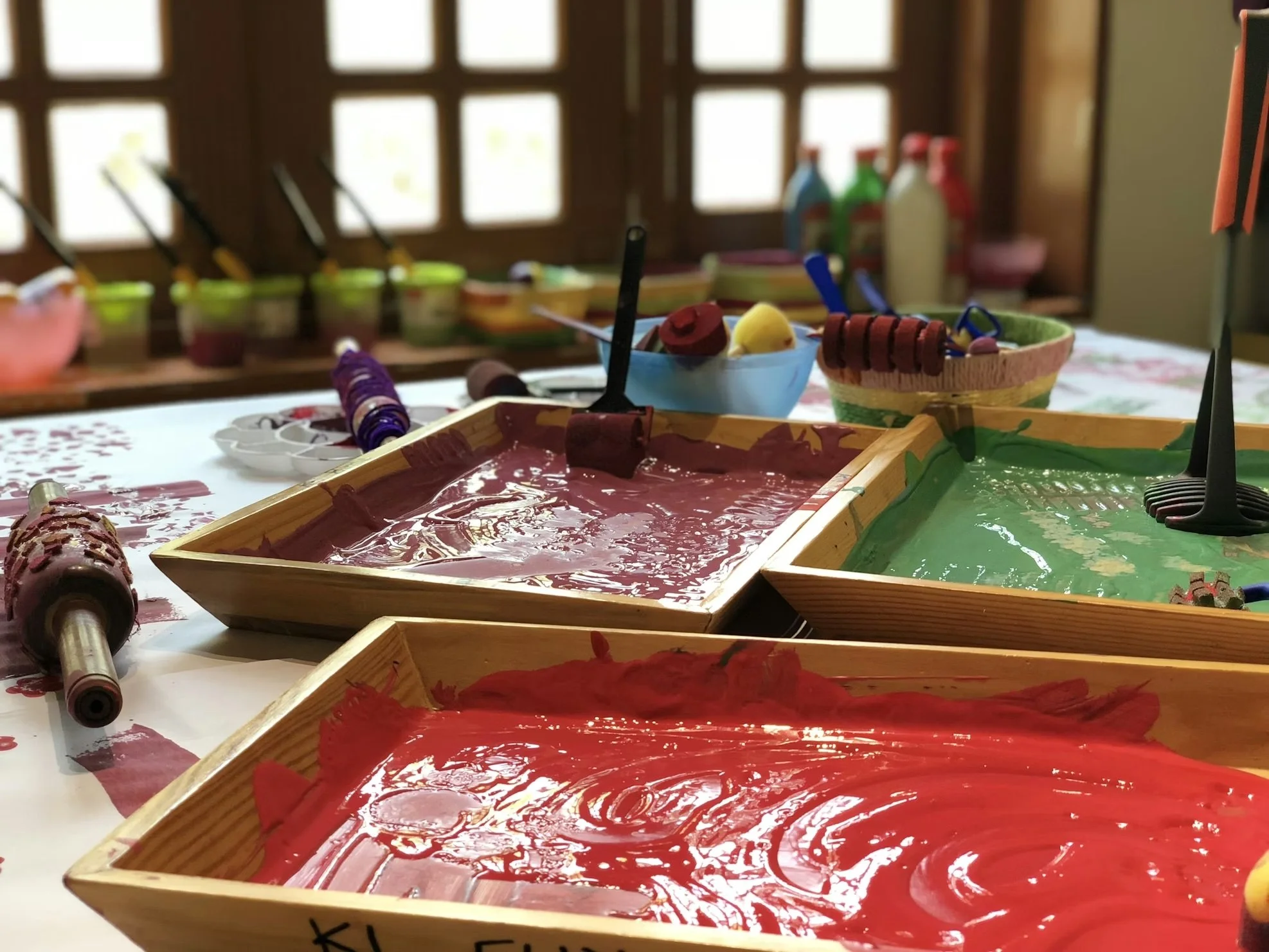
Afternoon play
The afternoon often feels like a continuation of the morning, rather than a brand new agenda.
Children may return to a project they started earlier in the week and add new details, or they might notice that their work has changed over time. A structure that began as a ladybug house might now be a whole garden or even a town. Educators keep materials available for several days when interest is high, so children can revisit ideas and build on them instead of starting from scratch each time.
There is another outdoor block in the afternoon. This second time outside gives children another chance to move their bodies, reset, and connect with nature before heading home.
As pickup time approaches, the classroom begins to shift. Lights might be lowered. A familiar song might be sung. Children meet for a closing circle where they talk about what they enjoyed most that day and what they want to explore next time. This helps them understand that the day is ending and gives them a sense of closure.
Wrapping up the day
When grown-ups arrive, children are encouraged to bring them into the room, not meet them at the doorway. They love pointing out a painting on the wall, a tower they built, or a photo of themselves deep in concentration.
Documentation is a big part of how Piccoli communicates with families. You will see learning stories, photos, and quotes from your child posted around the room and shared digitally through tools like Brightwheel. This shows not only what they did, but how they thought, felt, and collaborated with others.
Educators use pickup time to share quick observations, answer questions, and listen. Families are partners in the learning process, not bystanders.
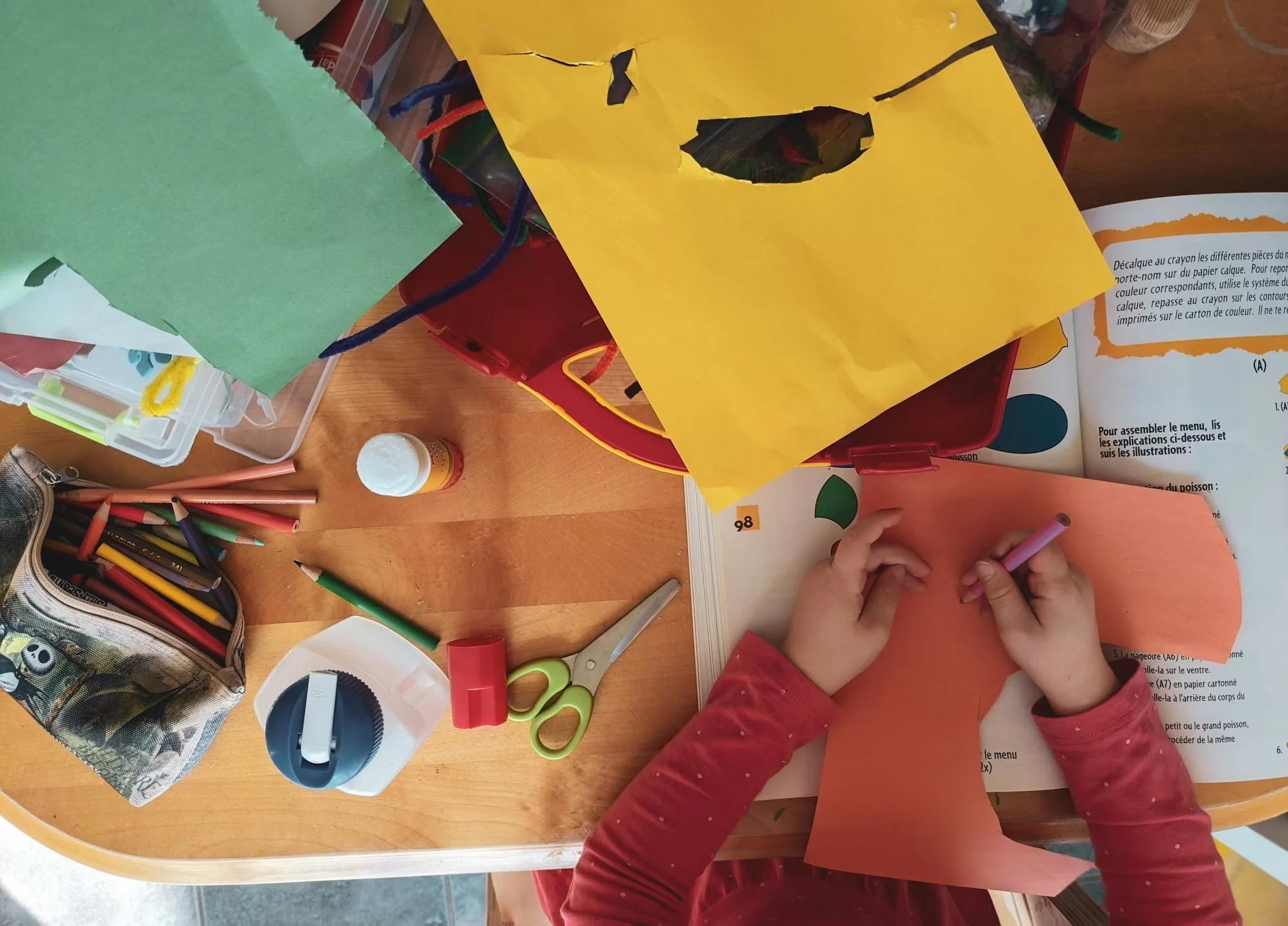
What stays with your child
By the time you pick up, your child has:
Been welcomed into a calm, thoughtfully designed environment
Followed their curiosity through play and project work
Spent time outdoors in a space built for exploration and nature connection
Shared a community meal and practiced respect and responsibility
Rested in a way that honours their body’s needs
Ended the day with reflection, connection, and a familiar routine
Underneath all of that, they have been seen as capable, listened to with care, and supported by educators who are trained in the Reggio Emilia Approach® and committed to child-centred learning.
Ready to see a day at Piccoli up close?
Connect with us to visit the centre, ask questions, and see whether our village feels like the right fit for your family. Book your visit today.